Discarded wings near a window in spring is a termite swarm, not flying ants, and it means a mature colony is already established somewhere in the structure. Termite damage isn't covered by most homeowner insurance policies, which makes early detection in Bell Canyon properties a real financial issue, not just a cosmetic one.
A full inspection includes a wood-destroying organism report suitable for real estate closings, at no charge.
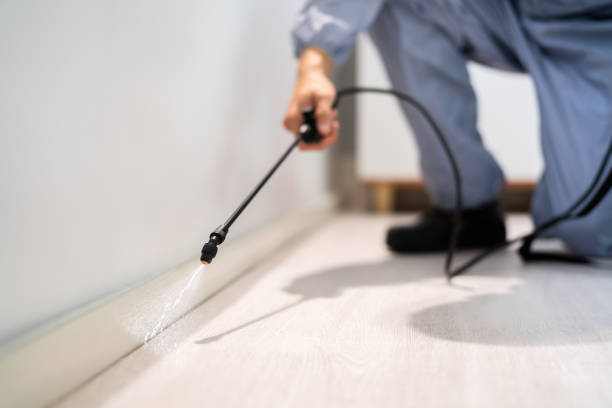
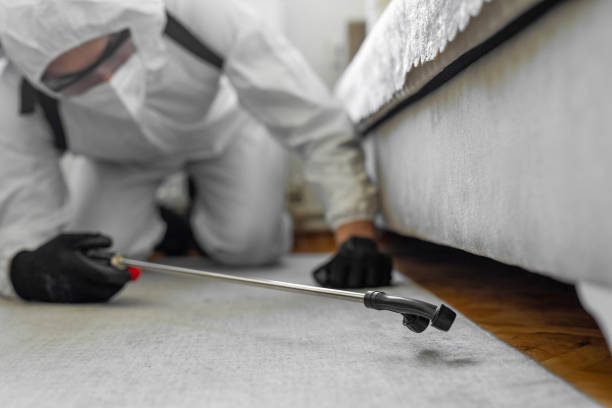

Every technician performing Bell Canyon termite inspections carries state licensing for wood-destroying organism reporting.
Swarm season calls get priority scheduling since active swarmers mean a mature colony needs attention quickly.
Liquid barrier and bait station pricing is quoted after inspection, tied to linear footage and species found.
We use moisture meters, sounding hammers, and sometimes thermal imaging to find damage hidden behind finished walls.
Subterranean colonies travel through soil, so barrier treatment is mapped around the entire structure's perimeter.
Bait stations are placed around the property and checked on a monitoring schedule to catch new activity early.
We identify drywood frass (small pellet droppings) to pinpoint exactly which framing member needs treatment.
Photos of any damage found are included in the report so buyers and agents see exactly what was inspected.
We document damage severity so you or your contractor know which framing needs structural attention.
We set up recurring inspection schedules for Bell Canyon commercial buildings with reports for property records.

Tell dispatch whether it's a swarm sighting or existing damage; swarm calls get expedited scheduling.
A technician arrives with moisture meters and inspection tools ready to check the foundation, crawl space, and framing.
We trace mud tubes, check for wood-to-soil contact, and identify subterranean versus drywood species before quoting.
Treatment is applied the same visit when possible, with monitoring visits scheduled to confirm the colony is gone.
Found mud tubes on the foundation during a routine check and Nex Pest Control had an inspector out within two days with a full written report.
Knowing the difference between drywood and subterranean species mattered — our treatment was completely different than what a neighbor got for the same symptom.
As a property manager, having a bonded termite plan on file made our annual insurance review painless.
We were about to list our house when the pre-listing inspection caught early subterranean activity — glad it was found before a buyer's inspector did.

No matter which Bell Canyon neighborhood you're in, a technician equipped for termite-specific work can reach you within days, often sooner. We cover single-family homes, multi-unit buildings, and commercial properties across Bell Canyon with the same inspection standard and documentation.

Termite swarmers have straight antennae and a thick waist, unlike the bent antennae and pinched waist of flying ants.
Treatment differs by species — subterranean gets a soil barrier or bait stations, drywood often gets localized wood treatment.
Most lenders require a wood-destroying organism report as part of closing, and we provide one with full documentation.
Longevity depends on the product used and soil conditions, which we'll explain based on what's applied to your property.
Most subterranean treatments are done outside the structure, so interior disruption is minimal.
Our guarantee covers a free re-treatment if activity returns within the stated window on your service agreement.
Call +1-866-315-0243 for a free inspection and written treatment quote.
Call +1-866-315-0243